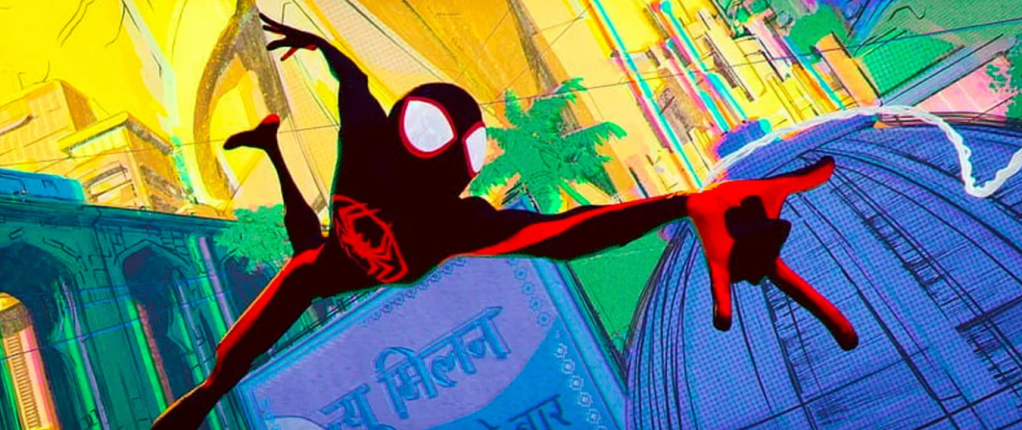
The multi-verse is now a familiar concept to movie goers and a continuously explored theme in cinema. From Oscar winning films such as Everything Everywhere All at Once, animation movies such as Coraline, and blockbuster movies from The Marvel Cinematic Universe (better known as the MCU) are all set in the multi-verse. In the multi-verse, multiple realities exist and the plot revolves around the events that happen as the protagonist access the difference universes.
In a world where everyone is entitled to one reality, stories set in the multi-verse answers the question “what if?”.
The multi-verse theory suggests that the space and time we observe is not the only reality. The most scientifically accepted idea of the multi-verse is known as inflationary cosmology. This is an idea that suggests minuscule moments after the big bang, the universe rapidly and exponentially expanded. The theory predicts that inflation can happen over and over again, and can end up creating constellation of bubble universes.
The Spider-Man: Into the Spider Verse series is exemplary of the use of inflationary cosmology. Anime Spiderman, Punk-rock Spiderman, Indian Spiderman exist in different realities but with the same back stories. They are all connected through one giant web called the spider-verse. In Spider-Man: Into the Spider-Verse, which kicks off the spider-verse series, follows Miles Morales who meets Peter Parker and they both try to stop Kingpin, the villain, from pulling different versions of Spider-Man into Mile’s world.

Another ideas of the multi-verse is called the many worlds interpretation of quantum mechanics. The many worlds interpretation of quantum mechanics describes mathematically how matter behaves. It presents the presence of parallel worlds that branch off from each other without intersecting. Everything Everywhere All At Once (EEAO) is a primary example of utilizing the many-worlds theory. The film’s protagonist Evelyn, meets her husband Waymond from the Alpha Verse who shows her the different universes she exists in. Any small decision Evelyn makes opens up a portal to a different version of Evelyn. She finds herself as a famous actress, Kungfu fighter, and even a rock. Despite her journey through each universe with some seeming more ideal than her current life, running a laundromat, being accused of tax fraud, and a strained relationship with her daughter, Evelyn chooses her life in this universe.
The main takeaway to any multi-verse movie is evident: appreciate the present. The grass is not always greener on the other-side. In Coraline, Coraline enters the tunnel to “the other mother” who initially seems like everything Coraline ever wanted, only to realize she is a witch disguised as her mom to take and eat children’s’ souls.
We live in a world where there is no scientific explanation behind the multi-verse. It only remains a theory. It’s natural human tendency to wonder what might’ve happen if we chose a different career, if we had a different spouse, or if we didn’t have children. The mundaneness or discontentment that comes with everyday life gives us an itch to know what our lives could’ve been and if we would’ve liked that universe better than the one we live in right now or vice versa. As Waymond tells Evelyn in EEAO, “every small decision has lead you here.” Multi-verse stories bring closure to the road not taken and reminds the audience that the grass is greener where you water it.

 Midnight salon